

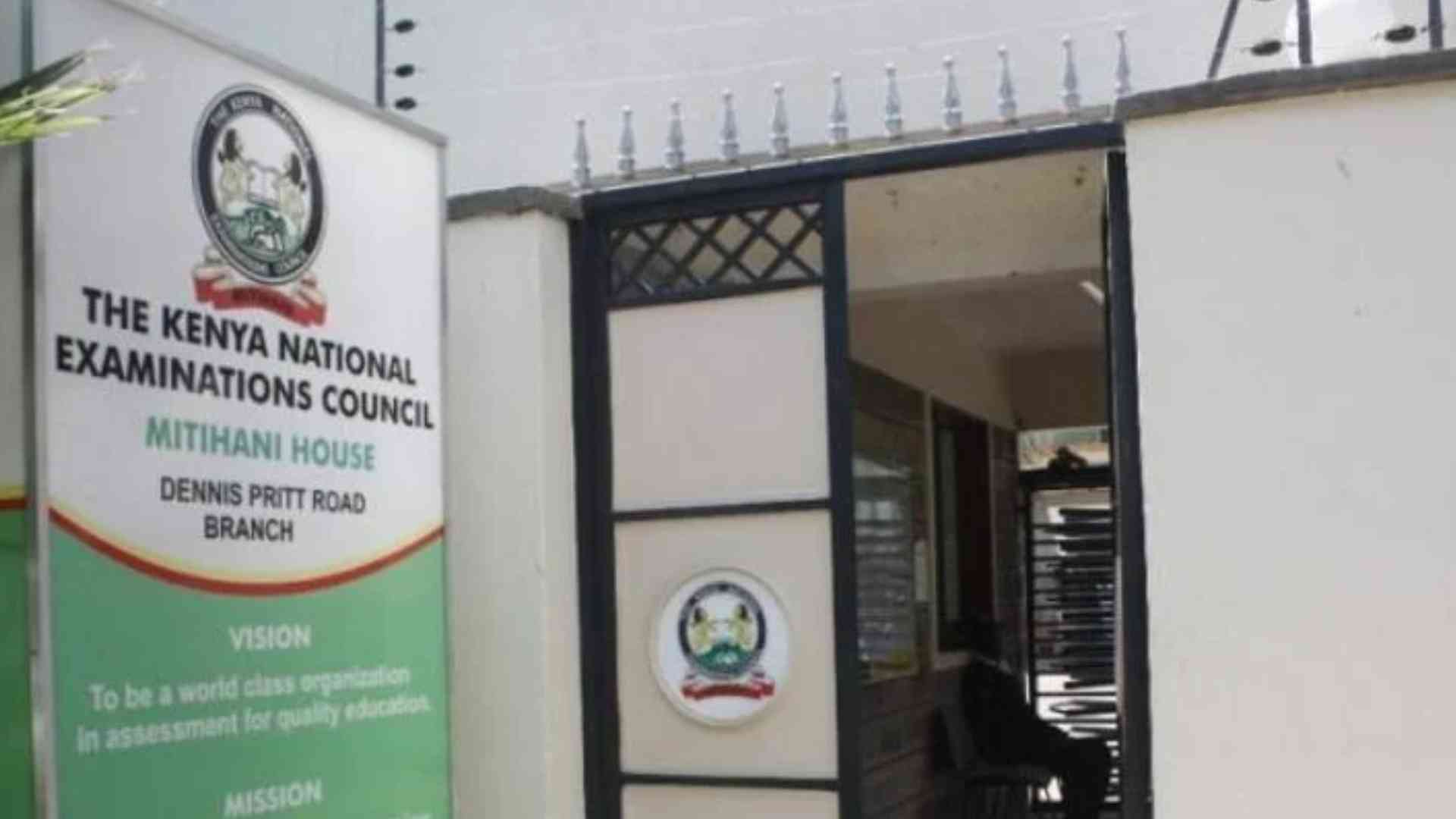
KNEC Reveals Sh5 Billion Deficit Ahead of National Exams.
The Kenya National Examinations Council (KNEC) has disclosed that it is facing a funding deficit of Sh5 billion as it prepares to administer national examinations and assessments to approximately 3.5 million learners during the 2026 assessment cycle.
The funding shortfall has emerged as the council prepares to oversee multiple national assessments and examinations between September and November 2026. According to KNEC, the exercise will involve the administration of the Kenya Primary School Education Assessment (KPSEA), the Kenya Junior School Education Assessment (KJSEA), the Kenya Certificate of Secondary Education (KCSE), and the inaugural Grade 10 School-Based Assessment (SBA) under the Competency-Based Education (CBE) framework.
Registration data released by KNEC indicates that 1,300,864 learners have registered for the Kenya Primary School Education Assessment (KPSEA), while 1,193,200 learners have registered for the Kenya Junior School Education Assessment (KJSEA). A further 1,049,276 candidates have registered for the Kenya Certificate of Secondary Education (KCSE), marking the first time the KCSE candidature has exceeded one million candidates.
In addition to the three national assessments and examinations, KNEC will administer the first Grade 10 School-Based Assessment (SBA) under the Competency-Based Education (CBE) system. The combined candidature for the assessments and examinations scheduled between September and November 2026 is estimated at approximately 3.5 million learners.
KNEC Chief Executive Officer Dr David Njengere stated that the 2026 assessment cycle is among the most demanding periods in the council’s operational history due to the simultaneous administration of multiple large-scale assessments.
“This year will be quite heavy. Second year of running three big assessments; KPSEA, KJSEA and KCSE, all with candidature hovering around one million. Then we have the Grade 10 cohort that will sit their first SBA in Senior School,” Dr Njengere said.
Dr Njengere noted that registration of candidates has been completed and the council has commenced preparations for the production of personalized assessment and examination materials as well as logistical arrangements for the assessment period.
“KNEC appreciates all stakeholders for adhering to our timeliness on registration of the 3.5 million candidates in Grades 6, 9 and Form 4. We are now set to prepare their personalised summative assessment papers as we have done in the last two years,” he stated.
KNEC revealed that the council requires Sh14 billion to administer the examinations and assessments during the 2026/2027 financial year. However, only Sh9 billion has been allocated in the approved budget estimates, resulting in a funding deficit of Sh5 billion.
“The budget estimates for 2026/2027 is Sh9 billion against a requirement of Sh14 billion. We are working closely with the Ministry of Education to request for the difference in time to mitigate the challenges of underfunding,” Dr Njengere said.
The council indicated that the funding challenge reflects a recurring trend experienced during previous examination cycles. During the 2024/2025 financial year, KNEC recorded a funding deficit of Sh3.7 billion after examination administration and invigilation costs were not initially provided for within the national budget.
The funding constraints prompted intervention by Parliament, which subsequently approved an additional allocation of Sh5.9 billion to facilitate the administration of national examinations and assessments. During budget deliberations at the time, National Assembly Education Committee Chairperson Julius Melly stated that examination financing would remain a priority consideration during approval of education sector allocations.
“We shall not write our report without the examination money,” Melly stated during a budget hearing session.
KNEC further noted that the transition to the Competency-Based Curriculum (CBC) and Competency-Based Education (CBE) framework has increased operational requirements through the introduction of continuous assessment mechanisms alongside traditional national examinations.
The introduction of the Grade 10 School-Based Assessment (SBA) has expanded the council’s responsibilities to include the deployment of digital assessment platforms, teacher capacity-building programmes and nationwide standardisation procedures intended to support the administration of assessments across schools.
“We are investing in systems that allow secure capture and transmission of assessment data while ensuring teachers are adequately guided on assessment standards,” Dr Njengere stated.
Read Also: Major Push to Introduce First Aid Lessons and Emergency Response in Kenyan Schools
National Parents Association Chairman Silas Obuhatsa expressed concern regarding recurring funding shortages affecting the administration of national examinations and assessments.
“KNEC cannot continue operating on emergency funding every year. Exams are a constitutional right for learners and must be planned for adequately,” Obuhatsa stated.
The Kenya National Examinations Council continues to engage the Ministry of Education in efforts to secure the additional Sh5 billion required to facilitate the administration of the Kenya Primary School Education Assessment (KPSEA), Kenya Junior School Education Assessment (KJSEA), Kenya Certificate of Secondary Education (KCSE), and the inaugural Grade 10 School-Based Assessment (SBA) during the 2026 assessment cycle.
KNEC Reveals Sh5 Billion Deficit Ahead of National Exams.
Follow Teachers Updates on Facebook, LinkedIn, X (Twitter), WhatsApp, Telegram, and Instagram. Get in touch with our editors at hello@teachersupdates.news.
