

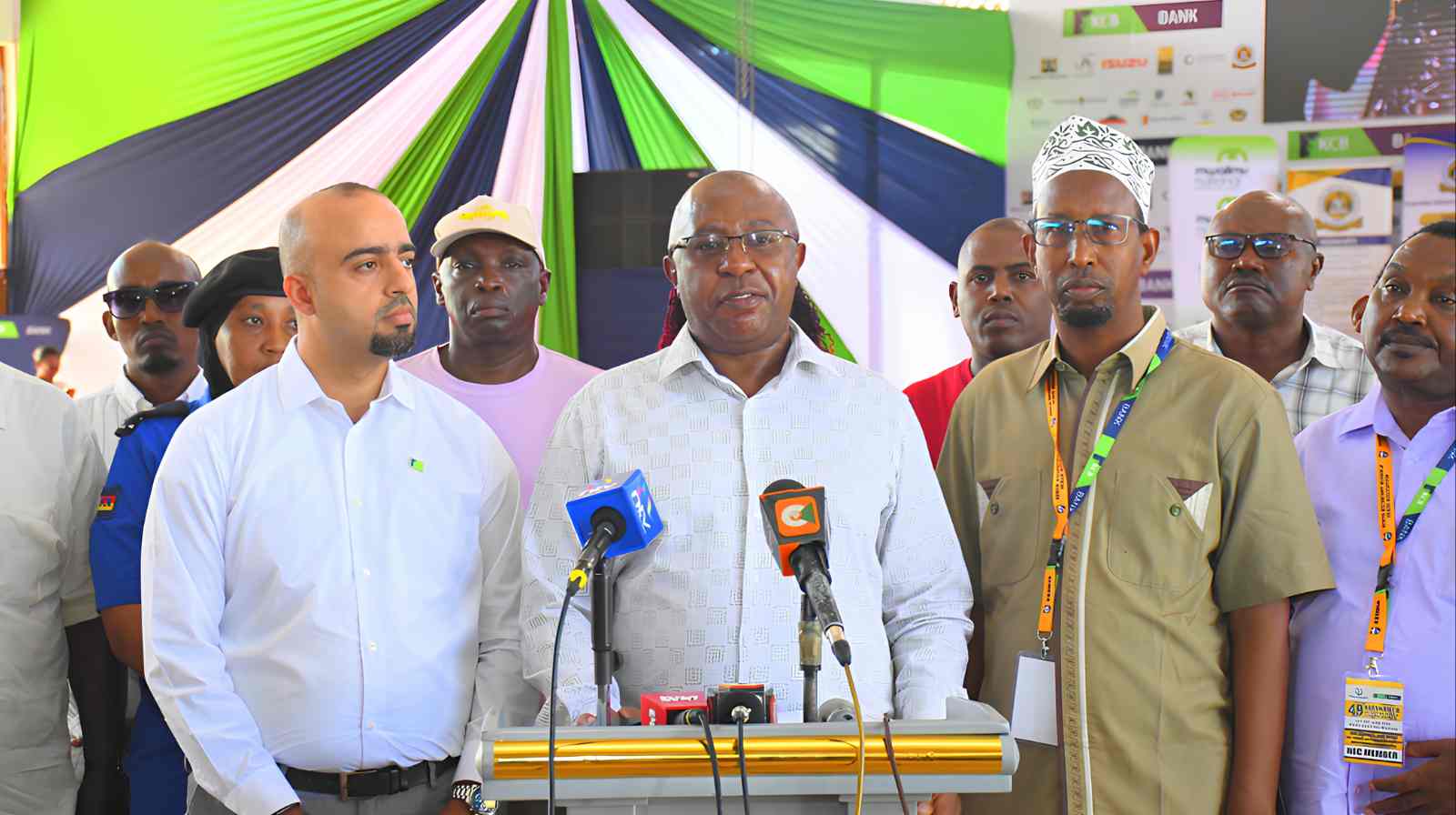
“Transfer Them to Day Schools” – KESSHA Boss Speaks on Student Unrest as 7,300 Principals Gather Over Growing Crisis.
More than 7,300 members of the Kenya Secondary School Heads Association (KESSHA) have convened in Mombasa for the 49th KCB/KESSHA Annual Conference, with growing cases of student unrest in schools emerging as one of the key issues for discussion during the four-day event.
The conference, themed “Strong Schools and Collaborative Leadership for Promoting Competency-Based Education,” has brought together secondary school principals from across the country to deliberate on emerging issues in the education sector, leadership, education reforms and the implementation of Competency-Based Education (CBE).
Speaking ahead of the conference, KESSHA National Chairman Willie Kuria described the second term of 2026 as a particularly challenging period for school administrators due to increasing cases of student unrest reported in learning institutions.
Kuria said student indiscipline and unrest would form a major agenda item during the conference, with principals expected to examine the underlying causes and propose interventions aimed at addressing the challenge.
“It has been a very challenging time for school heads this second term of 2026,” Kuria said.
He proposed that learners who experience difficulties adapting to boarding school environments should consider transferring to day schools, where they can benefit from closer parental supervision.
According to Kuria, boarding schools require responsible learners who can comply with institutional regulations and routines. He noted that students unable to cope with the demands of boarding school life may be better suited to day school settings.
Focus on Competency-Based Education
Kuria stated that the conference theme reflects KESSHA’s commitment to strengthening school leadership, enhancing collaboration among stakeholders and supporting the successful implementation of Competency-Based Education across the country.
“As heads of institutions, we recognize that the transformation of education requires strong institutions, visionary leadership, effective partnerships and continuous professional learning,” he said.
The annual conference serves as a professional forum for secondary school principals to discuss educational trends, share experiences and best practices, engage with policymakers and experts, and provide professional input on matters affecting education and national development.
Key Areas of Discussion
During the conference, participants are expected to deliberate on several issues affecting the education sector, including:
- Leadership in a changing educational environment.
- Digital transformation in schools.
- Mental wellness among learners and school leaders.
- Accountability and transparency in education.
- Implementation of education reforms.
- Sustainable financing of education.
The conference programme also includes open forums involving officials from the Ministry of Education and the Teachers Service Commission (TSC), allowing principals to engage directly on policy matters and implementation challenges.
Senior Government Officials Expected
The Chief of Staff and Head of Public Service, Felix Koskei, is expected to officially open the conference.
Other senior government officials scheduled to attend include:
- Education Cabinet Secretary Julius Ogamba.
- Principal Secretary for Basic Education John Ololtuaa.
Kuria said KESSHA remains committed to promoting quality, inclusive and transformative education and expressed confidence that the conference would generate practical recommendations to strengthen the delivery of Competency-Based Education and improve learning outcomes.
“As KESSHA, we remain committed to supporting quality, inclusive and transformative education for all learners. We believe this conference will generate valuable and practical recommendations that will strengthen the delivery of CBE and enhance learning outcomes across the country,” he said.
KCB Highlights Education Support Initiatives
KCB Coast Regional Business Manager Yasir Jamal said partnerships remain critical in building strong educational institutions.
“We are committed to supporting schools through financing, sustainability solutions and strategic partnerships that help institutions grow and thrive,” Jamal said.
He highlighted KCB initiatives in clean energy, scholarships and school financing aimed at improving learning environments and supporting educational outcomes.
Through the KCB Foundation, the bank is investing more than Sh600 million in 2026 to support 1,000 academically gifted but financially vulnerable students.
According to Jamal, the programme provides comprehensive support, including:
- School fees.
- Uniforms.
- Student stipends.
- Mentorship.
- Talent development support through to university education.
“The programme covers school fees, uniforms, stipends, mentorship and talent development through to university,” he said.
Jamal further noted that KCB Bank offers financing solutions to help schools meet operational requirements without interrupting learning activities. He added that infrastructure and asset financing products support the construction and modernization of classrooms, dormitories and laboratories.
Read Also: TSC’s New Career Pathway Explained: The Biggest Change for Teachers in Years
“These solutions enable schools to maintain stability while investing in growth and improved learning environments,” he said.
The four-day conference is expected to conclude with recommendations on school leadership, education reforms, learner welfare and the implementation of Competency-Based Education in secondary schools across Kenya.
“Transfer Them to Day Schools” – KESSHA Boss Speaks on Student Unrest as 7,300 Principals Gather Over Growing Crisis.
Follow Teachers Updates on Facebook, LinkedIn, X (Twitter), WhatsApp, Telegram, and Instagram. Get in touch with our editors at hello@teachersupdates.news.
