

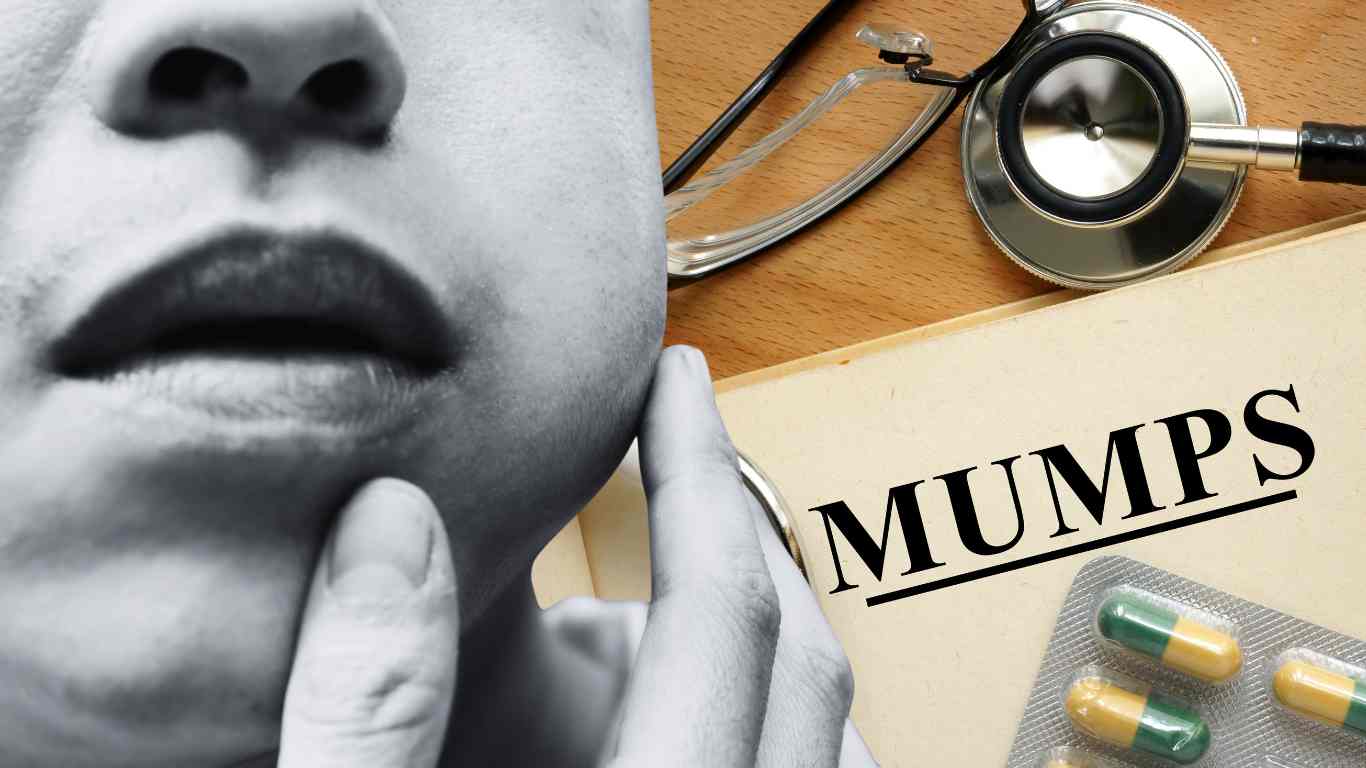
Fear Grips Nairobi Schools Following Suspected Mumps Infections.
Several schools in Nairobi have issued advisories to parents and guardians following suspected cases of mumps among pupils, urging families to monitor children for symptoms and keep those showing signs of infection at home to limit further transmission.
The advisories, circulated through school communication platforms, state that mumps is a highly infectious viral disease transmitted through saliva, respiratory droplets produced during coughing or sneezing, and the sharing of personal items. Schools have also indicated that enhanced sanitation measures have been introduced while the situation continues to be monitored.
One school notice to parents stated:
“Dear parents and guardians, we would like to inform you that there has been a reported outbreak of mumps in our area and school community. Mumps is highly infectious and spreads easily through saliva, coughing, sneezing, and sharing items.”
Schools Advise Parents to Monitor Symptoms
Schools have requested parents to observe children for symptoms associated with mumps, including:
- Swollen and tender salivary glands
- Fever
- Headache
- Muscle aches
- Fatigue
- Loss of appetite
- Pain while chewing or swallowing
Parents have also been advised to keep children experiencing these symptoms away from school until they have been assessed by a qualified medical professional.
In a separate communication, another school informed parents:
“We are taking extra measures at school to sanitise and monitor the situation.”
Some parents have also reported that certain schools temporarily suspended learning after suspected infections were identified among pupils.
One parent, who requested anonymity, said the infections had been circulating for several weeks.
“I had a friend whose son got mumps. My son, too, had it last month, so it is not like it is starting now. It has been there, and it is spreading; that is why we are seeing schools still offering the advisory a month later,” the parent said.
Public Health Officials Explain Disease Transmission
Public health officer Brown Ashira described mumps as a viral infection primarily characterised by painful swelling of the parotid glands, the salivary glands located on either side of the face.
According to Mr Ashira, the disease commonly affects children between the ages of five and nine years but may also occur among teenagers and adults.
He noted that controlling transmission within school environments is particularly challenging because infected individuals become contagious before visible symptoms develop.
“What makes it particularly difficult to contain in school environments is its transmission window. A person infected with mumps is already contagious two days before the visible swelling appears,” Mr Ashira said.
He added that infected individuals remain contagious for up to five days after swelling begins, allowing further transmission before cases are detected.
Mr Ashira explained that mumps spreads through respiratory droplets released when infected individuals cough or sneeze, as well as through direct contact with infected saliva. He noted that crowded classrooms, shared drinking containers and close interaction among pupils increase the likelihood of transmission.
“When children are crowded together and coughing, they release respiratory droplets into the air, allowing others to contract the virus,” he said.
He further urged schools to improve natural ventilation, strengthen hygiene practices and maintain water, sanitation and hygiene (WASH) measures to reduce the spread of infections.
Incubation Period May Delay Detection
Health officials indicated that the incubation period for mumps ranges from 12 to 25 days, with symptoms typically developing between 16 and 18 days after exposure. The incubation period may result in new cases emerging even after an apparent decline in infections.
Ministry of Health Says No Official Outbreak Report Received
The Ministry of Health stated that it has not received official reports confirming a mumps outbreak in Nairobi.
Health Cabinet Secretary Aden Duale said the ministry operates an established vaccination programme covering measles, mumps and rubella.
“The Ministry of Health has not received any reports of a mumps outbreak in Nairobi. We have an established and robust vaccination programme for measles, mumps and rubella among many antigens,” Mr Duale said.
Mr Duale added that the ministry would investigate the reported concerns through its public health surveillance systems and provide additional information after verification of the reported cases.
Vaccination Remains Primary Preventive Measure
Mr Ashira stated that vaccination remains the primary measure for preventing mumps infections and encouraged parents to ensure children receive all recommended immunisations under the national vaccination programme.
Read Also: Why Scientists Want Every Student in Kajiado to Study Physics.
“Parents should ensure their children are vaccinated. The vaccination schedule depends on standard health programming, which begins from the time a child is born,” he said.
He also urged the public to maintain appropriate hygiene practices, avoid contact with infected individuals and seek medical assessment when symptoms consistent with mumps develop.
Fear Grips Nairobi Schools Following Suspected Mumps Infections.
Follow Teachers Updates on Facebook, LinkedIn, X (Twitter), WhatsApp, Telegram, and Instagram. Get in touch with our editors at hello@teachersupdates.news.
