

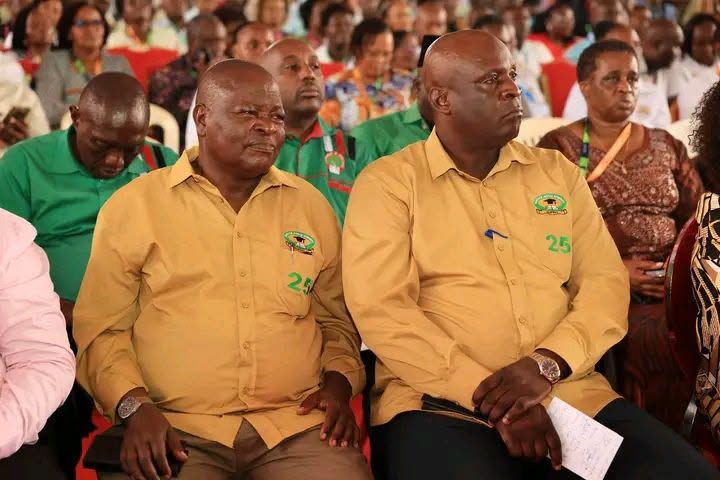
KUPPET Pushes for New Secondary School Fees Structure.
The Kenya Union of Post Primary Education Teachers (KUPPET) expressed support for proposals to review the current secondary school fees structure. The union argued that the fees introduced in 2015 are no longer sustainable due to the increased cost of living and the rising operational expenses faced by schools.
Inflation, rising costs of food, fuel, electricity, and learning materials have made it nearly impossible for schools to operate effectively without accumulating massive debts.
KUPPET Secretary General Akelo Misori has been vocal: “Unfortunately, schools are still being run using the 2015 fees structure, yet the economy has changed. We support the plan to review the fee structure in accordance with economic times.
Schools are grappling with delayed capitation funds from the government, inconsistent disbursements, and operational shortfalls that threaten day-to-day learning
KUPPET officials stated that the existing funding framework has not kept pace with prevailing economic conditions and called for a comprehensive review of the capitation and fees structure to enable schools to meet their operational requirements.
“We wonder how the 2015 budget of our schools can run schools in 2026. We urge policymakers to listen to the school administrators and stakeholders like ourselves,” the union stated.
The remarks were made during discussions at the 49th Annual Kenya Secondary Schools Heads Association Conference, where education stakeholders addressed issues relating to teacher management, school financing, and the implementation of education sector policies.
Proposed Fees Increment of Up to 60% (Sh43,000)
School principals under the Kenya Secondary Schools Heads Association (KESSHA) have proposed significant adjustments. Key highlights include:
- National/Cluster 1 Schools: Potential annual fees could rise substantially, with parents potentially paying around Sh73,000–Sh87,000 after capitation deductions in some models.
- Extra-County and County Schools: Proposals point to Sh60,000+ per learner annually.
- Day Schools: Lower increments, but still adjustments from the near-zero tuition model under Free Day Secondary Education (FDSE)
KESSHA notes that the cost of running schools has increased dramatically. For instance:
- Photocopy paper: From KSh420 per ream in 2015 to nearly KSh800 now.
- Daily meal costs per learner in boarding schools: Approximately KSh242.
- Overall inflation in school-related goods and services: Average of 65.3% over the past decade.
A major pain point raised by both KUPPET and KESSHA is the unreliable release of capitation funds. Schools have reportedly received far less than the promised KSh22,244 per learner annually in recent years, leading to accumulated debts of billions of shillings.
Read Also: 30,000 Teachers to Be Promoted as TSC Announces New Exercise
KUPPET Deputy Secretary General Moses Nthurima has criticized the “perennial delays” and “contradictory circulars” from the Ministry of Education, making it hard for schools to plan.
This fees debate coincides with Kenya’s ongoing education reforms. As the country phases out the 8-4-4 system and implements senior secondary pathways under CBC, schools need more resources for specialized learning in science, technology, arts, and sports.
KUPPET Pushes for New Secondary School Fees Structure.
Follow Teachers Updates on Facebook, LinkedIn, X (Twitter), WhatsApp, Telegram, and Instagram. Get in touch with our editors at hello@teachersupdates.news.
