

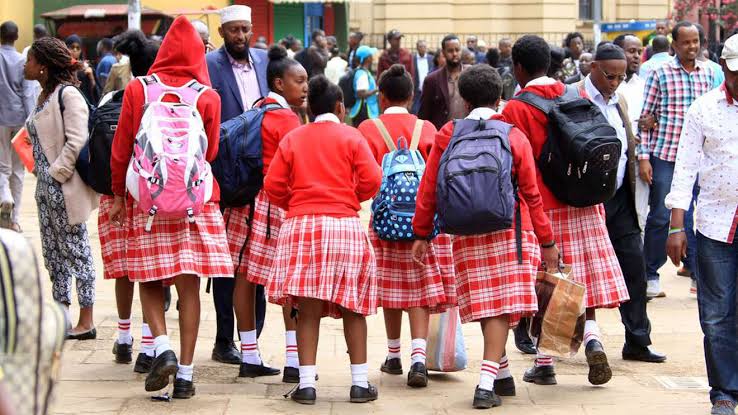
Schools Reopen With KSh 1,821 Missing Per Learner.
Learning institutions across Kenya resumed the second half of the Second Term with continued concerns over inadequate government capitation, as schools continue to operate under partial funding despite repeated appeals by education stakeholders for the release of the full allocation.
The continued delay and partial disbursement of capitation funds has placed schools under significant financial pressure, with administrators reporting difficulties in financing essential operations, remunerating non-teaching staff, procuring learning resources, and sustaining both academic and co-curricular programmes during one of the busiest periods of the academic calendar.
The reopening comes after the first phase of the Second Term was characterised by incidents of unrest in several schools. The Kenya Union of Post Primary Education Teachers (KUPPET) attributed some of the grievances raised by learners to delayed and inadequate capitation, stating that schools have been unable to address emerging operational challenges while functioning under financial constraints.
KUPPET noted that delayed capitation had contributed to unresolved learner concerns relating to school bills and the provision of essential social amenities, adding that schools were unable to adequately respond to student needs without timely government funding.
School principals also raised concerns over the continued funding backlog during their annual conference, stating that delayed and partial capitation has disrupted the management of learning institutions across the country.
According to the school heads, the funding constraints have affected the payment of non-teaching staff, delayed the procurement of essential teaching and learning materials, and limited schools’ ability to meet their operational obligations.
Government capitation released at the beginning of the term amounted to KSh 4,566 per learner per annum, compared to the expected allocation of KSh 6,733 per learner per annum.
The partial disbursement resulted in a funding shortfall of KSh 1,821 per learner, leaving institutions with reduced financial capacity during the second half of the term.
Read Also: KCSE Is Ending—KNEC Gives Thousands One Final Opportunity
The funding deficit comes at a period when schools are expected to finance a wide range of academic and co-curricular activities, including national and regional music festivals, ball games, and other curriculum-related programmes requiring substantial operational expenditure.
Education stakeholders have continued to maintain that timely and full disbursement of capitation remains critical to the effective management of learning institutions and the uninterrupted delivery of educational programmes throughout the academic calendar.
Schools Reopen With KSh 1,821 Missing Per Learner.
Follow Teachers Updates on Facebook, LinkedIn, X (Twitter), WhatsApp, Telegram, and Instagram. Get in touch with our editors at hello@teachersupdates.news.
