

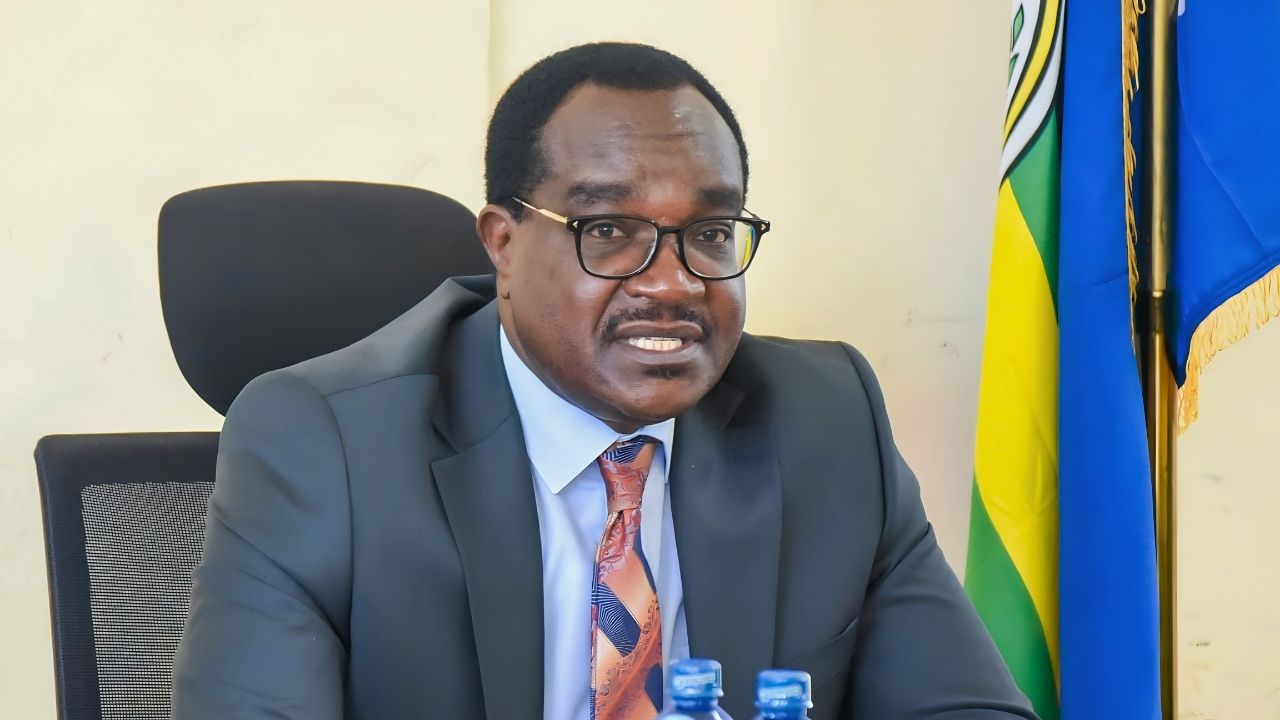
Ksh18.5 Billion Released to Schools as Third Term Begins, but Funding Concerns Persist.
The Ministry of Education has confirmed the disbursement of Ksh18,508,271,486.60 in capitation funds to public basic education institutions as the third term of the 2026 academic calendar begins across Kenya.
Cabinet Secretary for Education Julius Migos Ogamba announced the disbursement in a press statement issued on Monday, August 24, 2026. Ogamba confirmed that Term 3 of 2026 had officially begun on that date, with pre-primary, primary, junior and senior schools reopening nationwide.
Term Three for pre-primary, primary, junior, senior and secondary schools is scheduled to run for nine weeks, from August 24 to October 23, 2026. Academic operations at diploma teacher training colleges are also set to resume on August 24 and continue until November 6, 2026.
The Cabinet Secretary stated that the funds had been released to facilitate seamless operations and the conduct of school activities for learners in all public basic education institutions.
Breakdown of Disbursed Funds
The Ministry of Education provided a detailed breakdown of the Ksh18,508,271,486.60 disbursement across the three tiers of basic education:
- Free Primary Education (FPE): Ksh1,401,089,978.50
- Free Day Junior School Education (JSS, Grades 7–9): Ksh6,143,719,839.60
- Free Day Secondary Education (FDSE, Senior Secondary School, Grades 10–12): Ksh10,963,461,668.50
Free Day Secondary Education received the largest share of the total allocation, attributed to the comparatively higher operational costs associated with running Senior Secondary Schools (SSS).
The Ministry noted that the current disbursement follows two earlier releases in the 2026 academic year. The release follows Ksh44.2 billion disbursed ahead of first-term reopening in January and a further Ksh23.4 billion released in May for second-term reopening.
Ogamba stated that the disbursement is anchored in the Government’s constitutional obligation to provide free and compulsory basic education. The Cabinet Secretary said the disbursement demonstrates the Government’s commitment to ensuring that learners have access to free and compulsory basic education as provided for under Article 53(1)(b) of the Constitution.
Directives to School Administrators
Ogamba issued directives to school heads and principals regarding the utilisation of the released funds. School heads and principals were directed to ensure prudent use of the public resources entrusted to their care for the benefit of learners, and to desist from imposing any unauthorised levies.
Ogamba further warned that the Ministry would take firm action against institutions found to have misappropriated capitation funds or imposed illegal charges on parents and guardians, stating that any verified cases of misuse would be dealt with firmly.
The Ministry confirmed that national assessments and examinations, including the Kenya Primary School Education Assessment (KPSEA), Kenya Islamic Education Assessment (KILEA), Kenya Junior School Education Assessment (KJSEA), Kenya Pre-Vocational Learners Education Assessment (KPLEA) and the Kenya Certificate of Secondary Education (KCSE), will proceed according to the existing calendar. The Kenya Certificate of Secondary Education examinations for the 2026 cycle are scheduled to take place from October 19 to November 20, 2026.
The Kenya Union of Post-Primary Education Teachers (KUPPET) raised concerns regarding the adequacy of the disbursed amount. KUPPET Deputy Secretary General Moses Nthurima stated that schools remain inadequately prepared for the third term due to pending bills accumulated from fragmented capitation releases throughout the year.
Nthurima disputed the Government’s characterisation of the release, indicating that institutions have received considerably less than the funds required to meet operational needs. According to the union, schools have received approximately Ksh16,500 per learner this year, against an expected annual allocation of Ksh22,244.
Nthurima cautioned that the resulting funding gap could compel institutions to seek supplementary payments from parents to settle outstanding bills, and warned that the financial constraints could also affect preparations for national examinations.
Reaction from Schools Heads
The Kenya Secondary Schools Heads Association (KSSHA) also raised concerns regarding the sufficiency of the disbursed capitation. According to KSSHA, the Ksh18.5 billion released for Term 3 translates to Ksh16,456.60 per learner on a cumulative basis for the year, against the Government’s own stated annual allocation of Ksh22,244 per learner. This represents a shortfall of Ksh5,787.40 per learner, equivalent to approximately 26 percent of the total annual allocation.
Under the Ministry’s stated capitation formula, schools are expected to receive Ksh11,122 per learner in Term One, Ksh6,673 in Term Two and Ksh4,449 in Term Three, amounting to an annual allocation of Ksh22,244 per learner.
A circular dated July 28, 2026 indicated that the Ministry released Ksh3,367.60 per learner for Term Three, below the Ksh4,449 schools are entitled to receive under the formula.
KSSHA Chairperson Willy Kuria has separately stated that actual disbursements have consistently fallen below the Ministry’s stated capitation formula across all three terms of the 2026 academic year, resulting in continued reliance by schools on supplier credit and parental contributions to bridge funding gaps.
The disbursement follows earlier remarks by President William Ruto, who stated that capitation funds had been disbursed directly to school accounts to support learning activities. President Ruto dismissed claims of delayed capitation as politically motivated.
The capitation rate per learner was increased from Ksh10,625 in 2008 to Ksh12,870 in 2015, before rising to the current rate of Ksh22,244 in 2018. The rate has remained unchanged since 2018 despite reported increases in the cost of goods and services required for school operations.
Read Also: HELB Set to Disappear? Govt Plans Major Shake-Up of University Funding
KSSHA data indicates that schools received an average of Ksh10,636.92 per learner for operational expenses between 2020 and 2025, a figure described as barely different from the Ksh10,625 allocated in 2008.
Summary of Term 3 2026 Capitation Disbursement
| Category | Amount Disbursed |
|---|---|
| Free Primary Education | Ksh1,401,089,978.50 |
| Free Day Junior School Education | Ksh6,143,719,839.60 |
| Free Day Secondary Education | Ksh10,963,461,668.50 |
| Total | Ksh18,508,271,486.60 |
The Ministry of Education has stated that it will continue to monitor the utilisation of capitation funds at the institutional level through its Regional Directors of Education and County Directors of Education, in accordance with existing regulatory frameworks governing public basic education funding in Kenya.
Ksh18.5 Billion Released to Schools as Third Term Begins, but Funding Concerns Persist.
Follow Teachers Updates on Facebook, LinkedIn, X (Twitter), WhatsApp, Telegram, and Instagram. Get in touch with our editors at hello@teachersupdates.news.
